

Title
IV. INTERLUDE
SAIGON OPERA HOUSE (1945-1975)
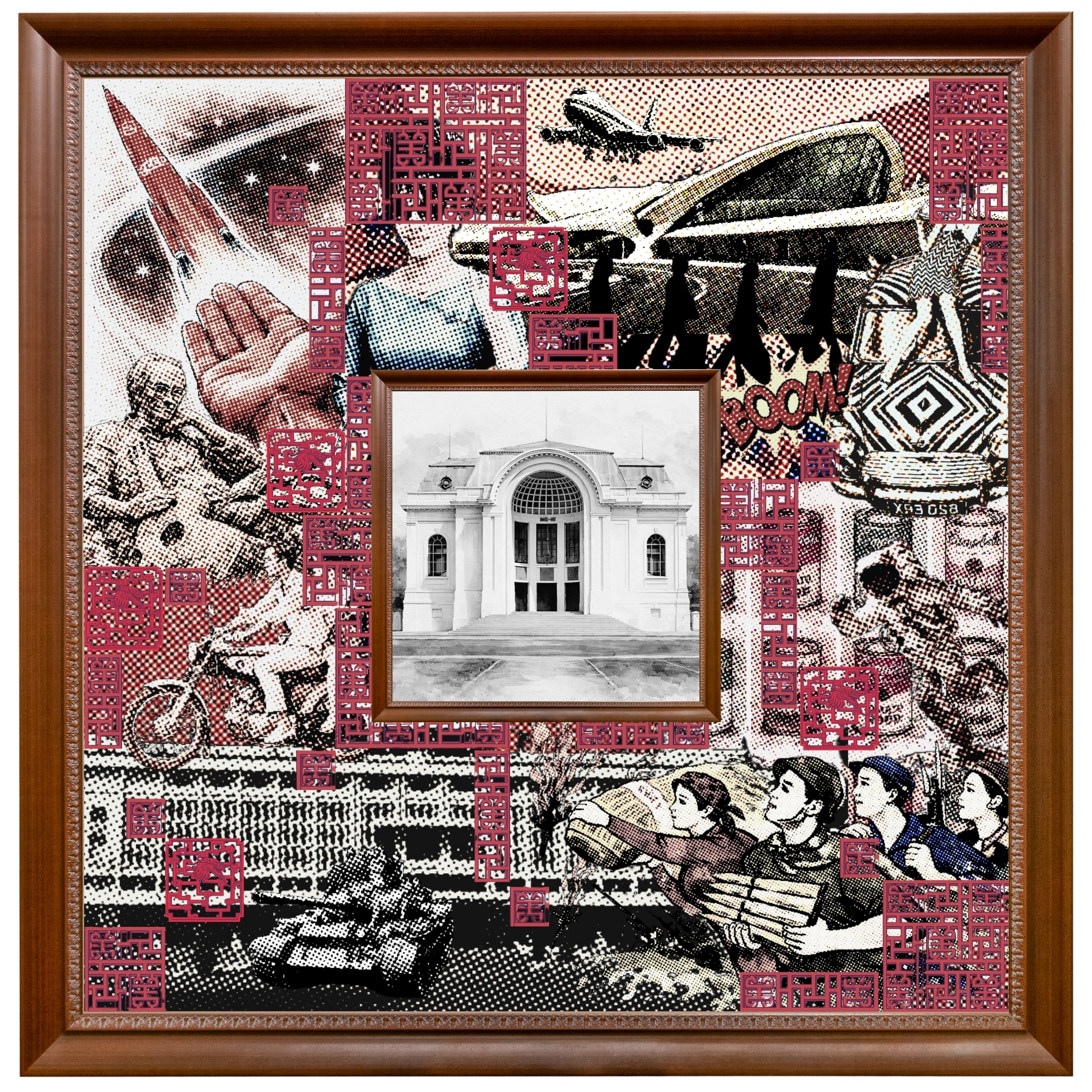
Composition
Non-linear historical collage
Medium
Mixed Media of Digital collage art, architecture sketch and hand-embroidery by the artists from Saigonmuse
Dimension
Wooden frame 68 x 68 cm
Price
USD 850
Edition
10
All proceeds from the sale of this artwork will be dedicated to the Safety Star Program, initiated by GIVE Sustainable in partnership with Survival Skills Vietnam.
The Story
Silent gravity of a nation
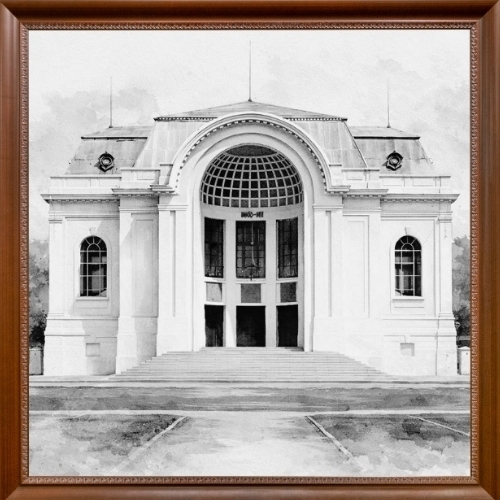
Center Frame
Architecture Sketch of The Saigon Opera House (1950s)
The Saigon Opera House was physically “silenced” as a theater; its flamboyant French nymphs and ornaments were stripped away, replaced by a stark, white facade to house the National Assembly (1955). It was no longer a place for dreams, but a bunker for the legislative reality of a nation at a crossroads.
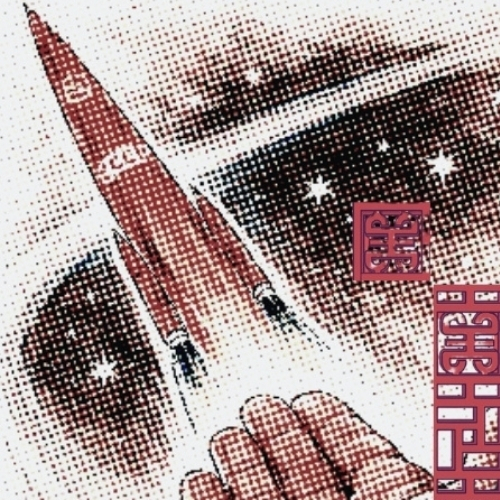
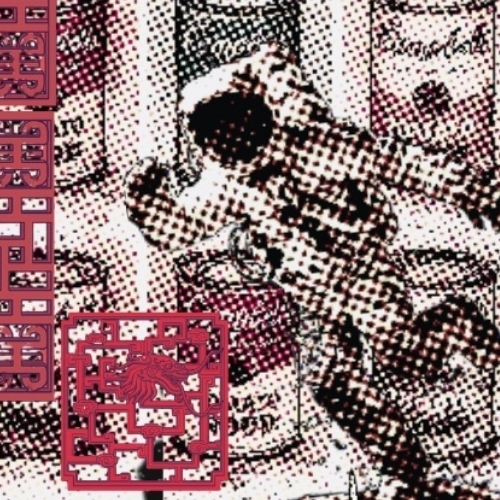
The Era of Gravity
The world was caught in a “Space War” between the United States and the Soviet Union, with the 1969 Moon Landing serving as the ultimate trophy of technological power. However, while the superpowers looked toward the stars, Vietnam was grounded in a fierce struggle for self-determination.
Symbols of Power
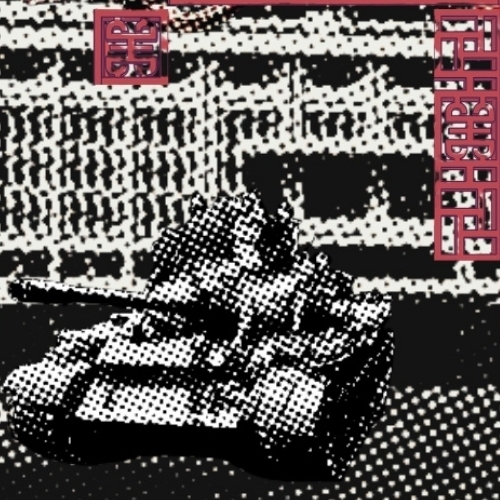
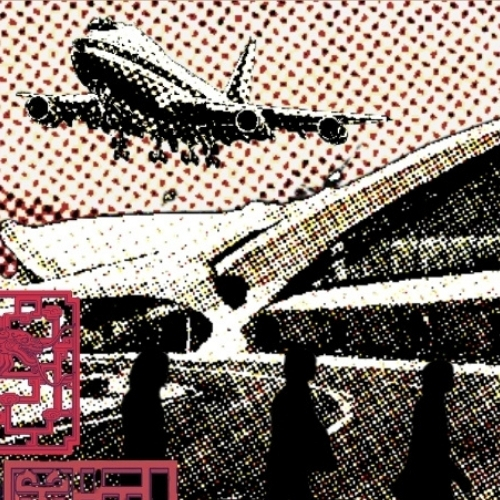
A stark contrast in mobility defined the era’s weight. Globally, the Boeing 747 and the futuristic curves of the JFK Airport represented a world that was becoming “smaller” and more accessible through flight. In Saigon, the ultimate symbol of movement was the Tank 390 that crushed the main gate of the Independence Palace on April 30th, 1975, marking the transition from a divided nation to a unified Socialist Republic of Vietnam.
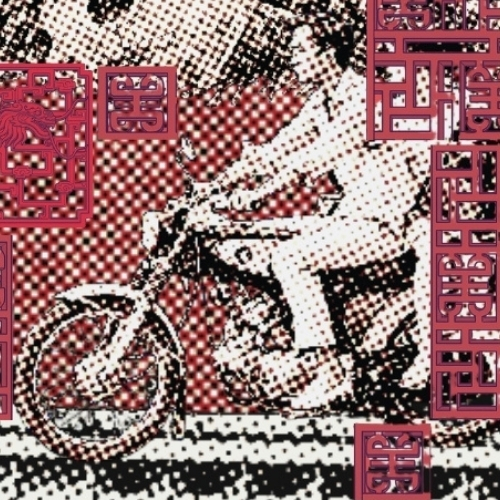
The “Iron Horse” of Saigon
Locally, the era’s pulse was found on two wheels: the Honda 67. This Japanese-made motorcycle became the definitive symbol of Saigon, its presence highlighting the deep division of the country. Pre 1975, while North Vietnam’s socialist economy relied on Soviet and Chinese imports, the Western-aligned Honda was a signature of the South. From the elite SBC (Săn Bắt Cướp) police force to students and families, the Honda 67 was woven into the city’s daily survival and identity, making it a culturally “owned” icon of the Southern urban spirit.
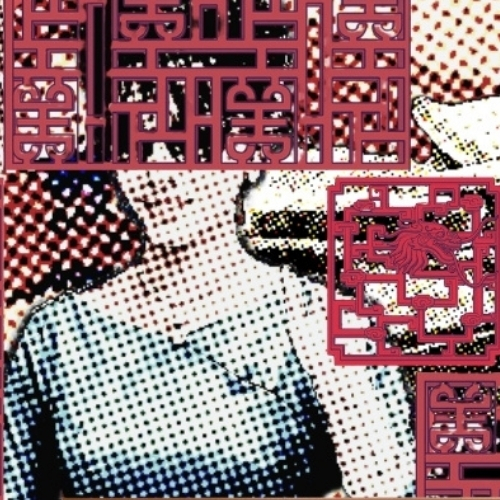
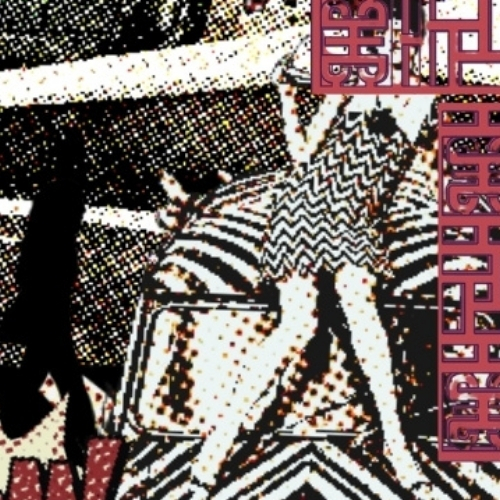
The Feminine Rebellion
Globally, the Mini Skirt revolutionized the 1960s, serving as a daring symbol of youth rebellion and the sexual revolution that discarded the modest hemlines of the previous generation. In Saigon, this spirit of liberation took a localized, elegant form through the Boatneck Áo Dài (popularized by Madame Nhu). By widening the collar to reveal the neckline and shortening the flaps for easier movement, the style became a chic, urban rebellion. It fused a centuries-old silhouette with a modern, high-fashion edge, reflecting a generation of women navigating a cosmopolitan city with newfound aesthetic agency.
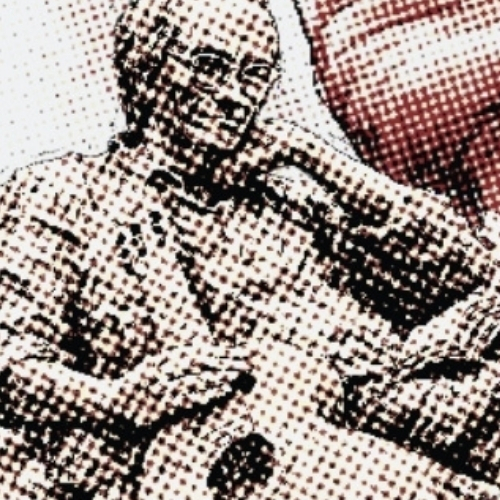
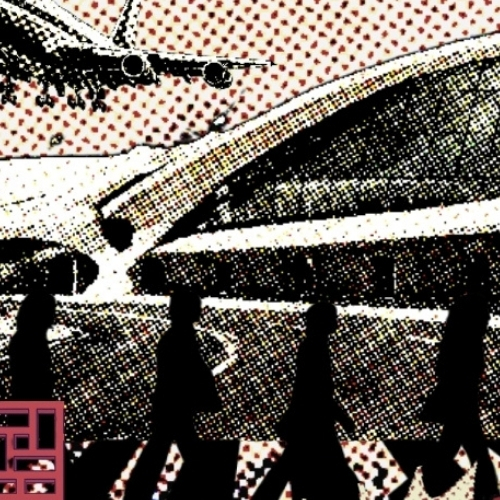
The Evolution of Sound
The electric guitar became the voice of the era. While The Beatles were revolutionizing the global airwaves, Saigon was birthing its own “Golden Age” of pop. Influenced by Western Rock and French Yé-yé music, local artists like Trịnh Công Sơn – the “Bob Dylan of Vietnam”, created Nhạc Vàng—a soulful, often melancholic fusion that captured the bittersweet reality of living in a city that was both a cultural playground and a war zone.
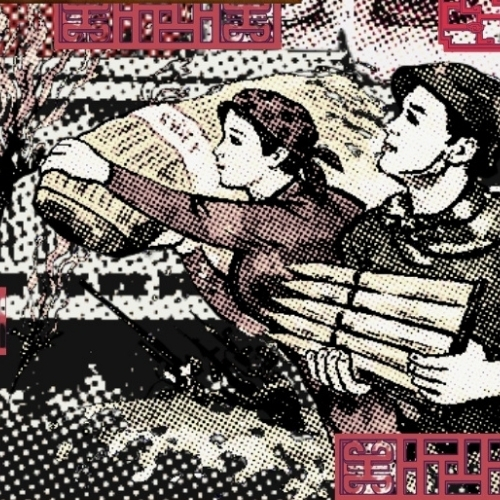
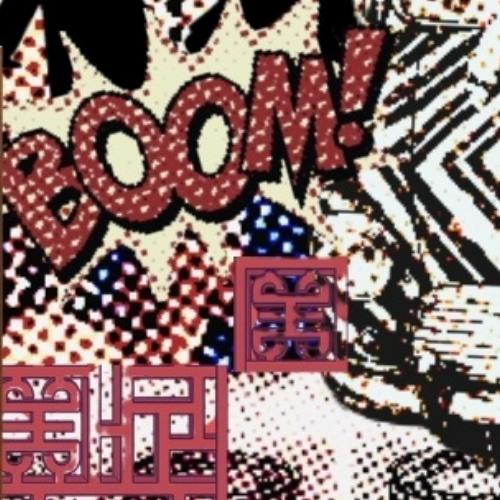
The Visual Contrast of Art
A dialogue emerged between consumerism and conviction. Andy Warhol’s Pop Art took everyday objects and made them icons of the West. In contrast, Propaganda Art – influenced by Soviet spacecraft aesthetics and Vietnamese revolutionary spirit – used bold, screen-printed colors to inspire the populace. These posters were the “Pop Art” of the struggle, turning political messages into high-contrast visual icons.
The Thread of Memoir
In this artwork, the deep-red embroidery follows the intricate Brise-soleil (sun-breaker) motifs of the General Sciences Library (Thư viện Tổng hợp TP.HCM). This geometric “thread of memoir” stitches the era’s political gravity and modernist architecture into blocks of a much complex historical fabric.
Other artworks from this collection are displayed at Sheraton Saigon Grand Opera Hotel
A transient era of temporary theater and French military music amidst early colonial expansion.
The permanent “French Imprint” era, marked by the 1900 opening of the current Saigon Opera House.
III. The Crescendo (1920-1945)
A golden age of cultural fusion between global Jazz and local Cải Lương.
IV. The Interlude (1945-1975)
A political metamorphosis where the theater was stripped of ornament to serve as the National Assembly.
The reclamation of the arts, culminating in the 1998 restoration of the building’s original aesthetic.
A living bridge, hosting both world-class orchestral symphonies and the high-energy phenomenon of idol culture, reflecting a city with a dual heart for timeless tradition and contemporary pop.