

Title
III. CRESCENDO
SAIGON OPERA HOUSE (1920-1945)
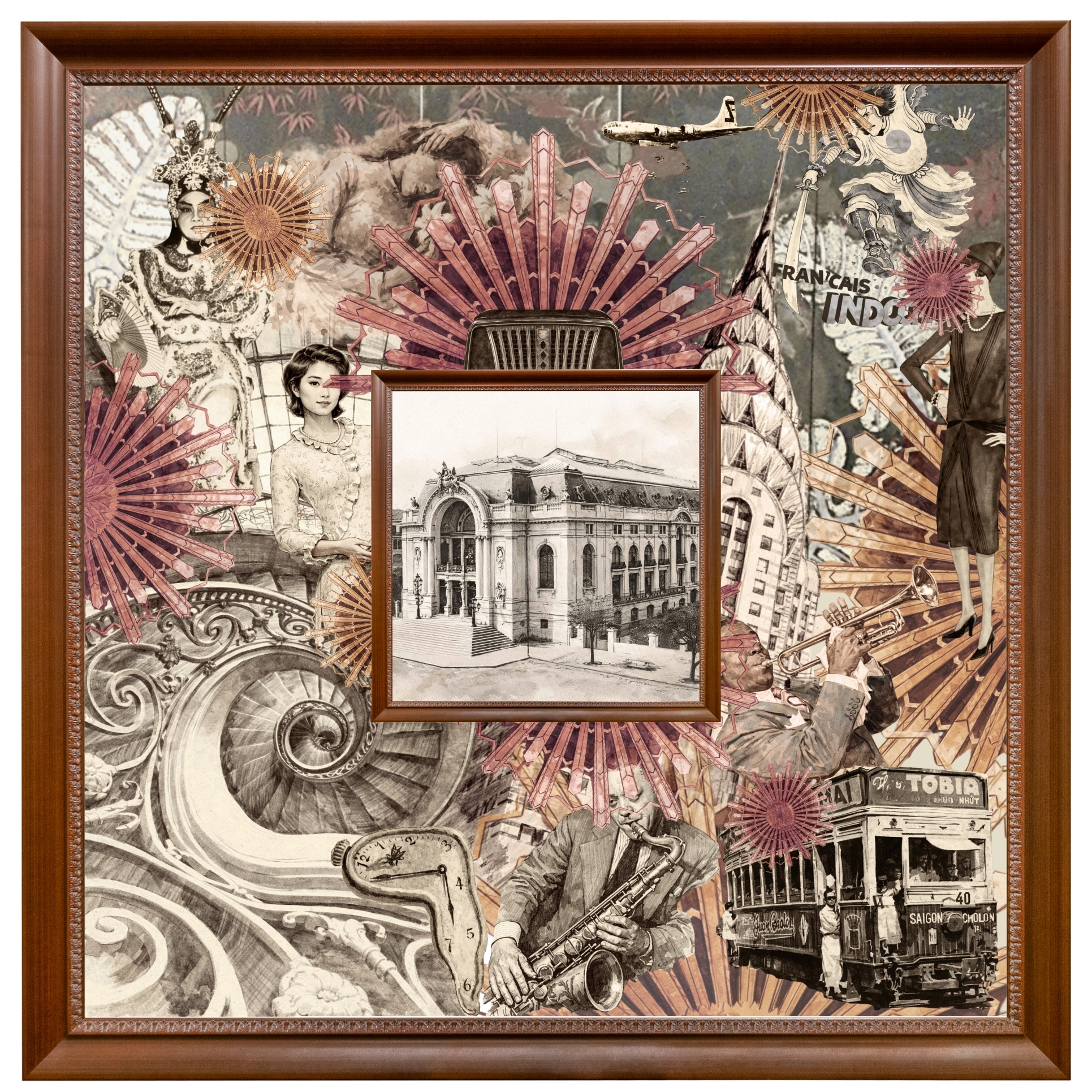
Composition
Non-linear historical collage
Medium
Mixed Media of Digital collage art, architecture sketch and hand-embroidery by the artists from Saigonmuse
Dimension
Wooden frame 68 x 68 cm
Price
USD 850
Edition
10
All proceeds from the sale of this artwork will be dedicated to the Safety Star Program, initiated by GIVE Sustainable in partnership with Survival Skills Vietnam.
The Story
Echoing of the Golden Age prior to the skyfall.
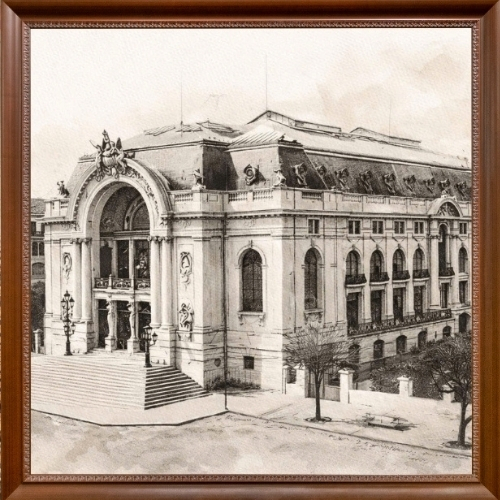
Center Frame
Architecture Sketch of The Saigon Opera House (1920s)
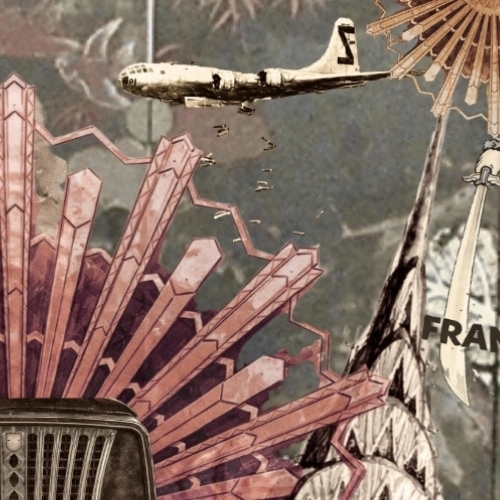
Entering its golden age of cultural fusion, the Opera House became the city’s premier laboratory for Cải Lương and jazz, yet by the era’s close, the building stood as a scarred witness to the 1944 Allied air raids, its “flamboyant” ornaments beginning a long descent into decay and eventual removal.
The Fragile Stage
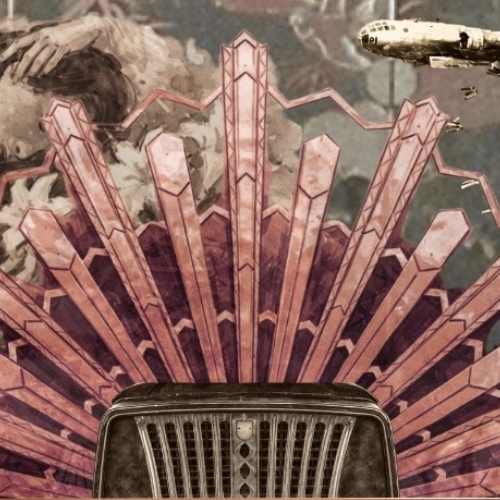
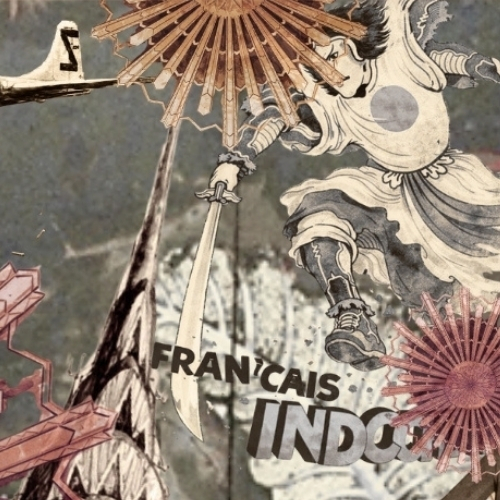
Globally, the invention of the Radio dismantled the barriers of silence, allowing the world to hear the same music and news simultaneously. This era of connection, however, was framed by the dark gravity of World War I and II, which fundamentally reshaped Vietnam from a colony into a site of global geopolitical struggle.
Architectural Prestige
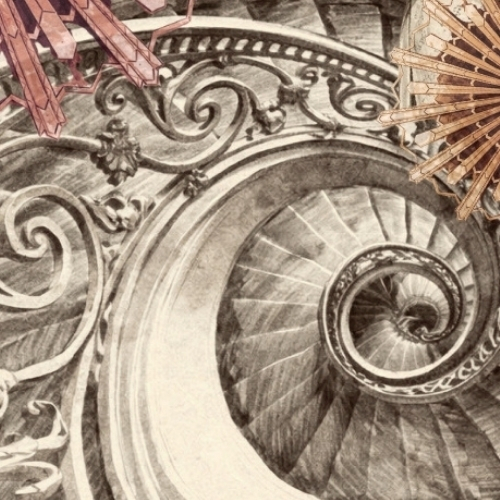
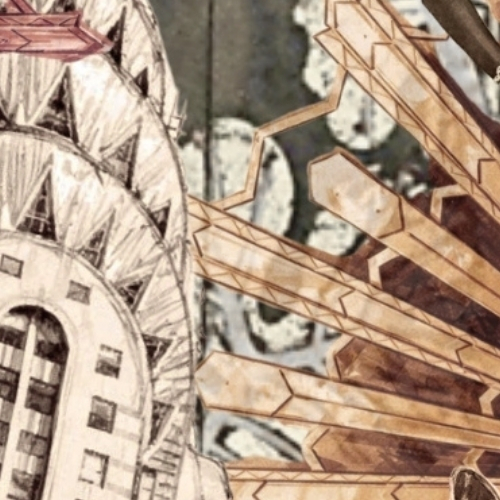
The global obsession with Art Deco, epitomized by the sunburst spire of the Chrysler Building, found its local heartbeat in the Fine Arts Museum. Originally the private villa of Hứa Bổn Hòa (Uncle Hỏa)-a man who rose from a scrap-dealer to the city’s most influential landlord-the building’s magnificent Art Nouveau & Art Deco staircases serve as a symbol of local wealth and architectural transition. His legacy represents the pinnacle of the “Chinese-Vietnamese-French” business fusion that fueled Saigon’s urban growth.
The Identity of “New Women”
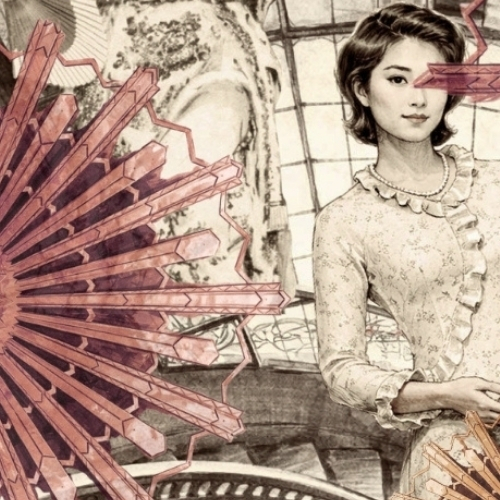
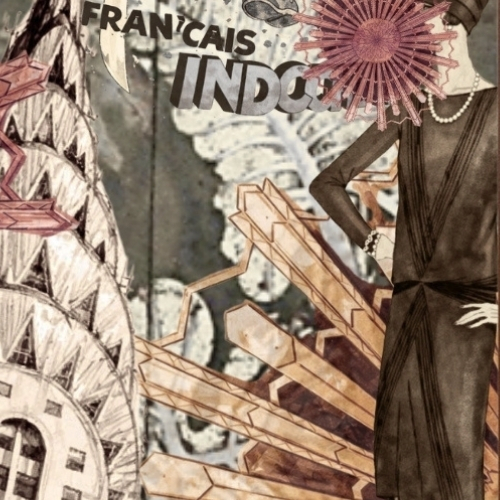
This era marked the most radical shift in female agency. Globally, Coco Chanel liberated women from the corset with her Little Black Dress, prioritizing movement and chic independence. Locally, the Lemur Áo Dài performed a similar miracle. By moving the buttons to the shoulder and tightening the silhouette, it transformed the traditional Vietnamese woman into a modern “Indochinoise,” blending Western flair with Eastern grace.
Mobility: The Tramway vs. The Bomber
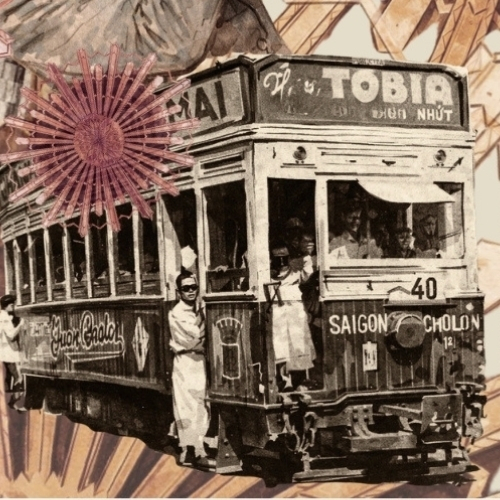
A stark contrast defined the era’s movement. Globally, the development of the War Plane brought a terrifying new speed to the sky, turning the air into a source of danger. Locally, the Saigon–Chợ Lớn Tramway offered a grounding, electric rhythm to daily life. It was the social artery of the city, carrying the diverse population through a landscape of evolving tastes—from the jazz-filled cafes of the center to the traditional markets of the West—even as the shadows of conflict grew longer.
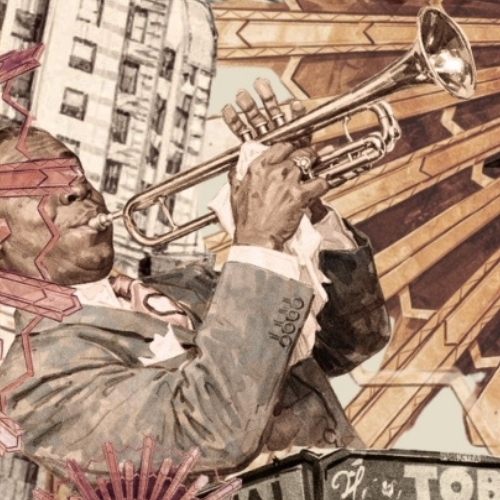
The Evolution of Sound: Jazz & Cải Lương
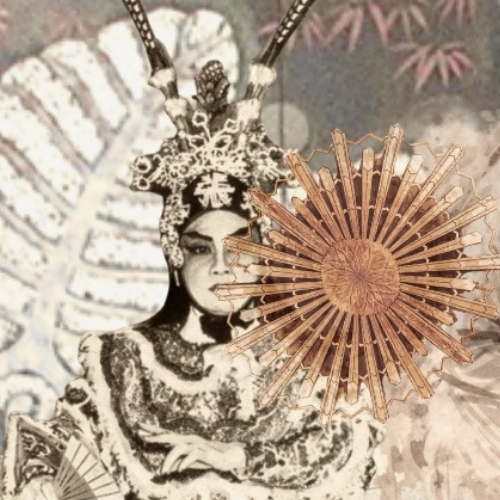
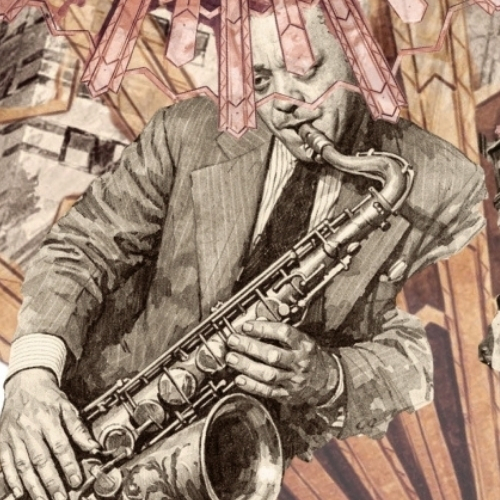
The sounds of the world surged into Saigon’s nightlife. While jazz bands influenced by the syncopation of jazzy souls like Louis Armstrong & Lester Young filled the hotels, a local revolution was taking place on stage. Cải Lương blossomed as a “renovated” evolution of the ancient Hát Bội. While Hát Bội was symbolic and rigid, Cải Lương embraced emotional realism and adapted Western instruments-like the Vietnamese Scalloped Fretboard Guitar-to create a genre that felt both modern and deeply Vietnamese.
The Art Influence
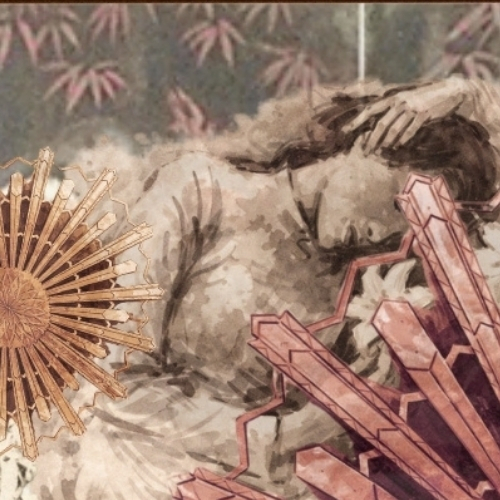
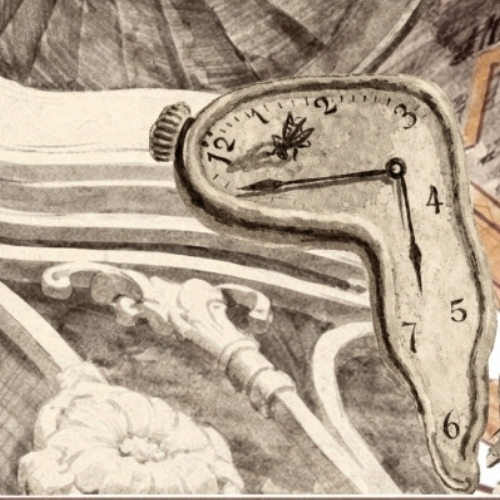
While Salvador Dalí’s surrealist melting clocks explored the liquid, unstable nature of time in a world nearing war, Tô Ngọc Vân captured a uniquely Vietnamese modernism. His 1943 masterpiece used European oil techniques to depict a pensive, graceful woman in a white Áo dài, creating an iconic image of fragile, ephemeral beauty that mirrored the “Crescendo” of the era just before the sky broke. This psychological interiority matched the layered complexity of Nguyễn Gia Trí’s lacquer paintings, where the physical sanding of gold and eggshell layers revealed a hidden, radiant soul beneath the surface.
The Thread of Memoir
In this artwork, the fire and gold hued embroidery serves as the “thread of memoir.” It follows the sharp, geometric lines of the Art Deco sunburst which serves as a dual metaphor: it radiates the heat and glory of a “Golden Age” while simultaneously mirroring the explosive, jagged wartime fractures.
Other artworks from this collection are displayed at Sheraton Saigon Grand Opera Hotel
A transient era of temporary theater and French military music amidst early colonial expansion.
The permanent “French Imprint” era, marked by the 1900 opening of the current Saigon Opera House.
III. The Crescendo (1920-1945)
A golden age of cultural fusion between global Jazz and local Cải Lương.
A political metamorphosis where the theater was stripped of ornament to serve as the National Assembly.
The reclamation of the arts, culminating in the 1998 restoration of the building’s original aesthetic.
A living bridge, hosting both world-class orchestral symphonies and the high-energy phenomenon of idol culture, reflecting a city with a dual heart for timeless tradition and contemporary pop.