

Title
IV. REPRISE
SAIGON OPERA HOUSE (1975-1998)
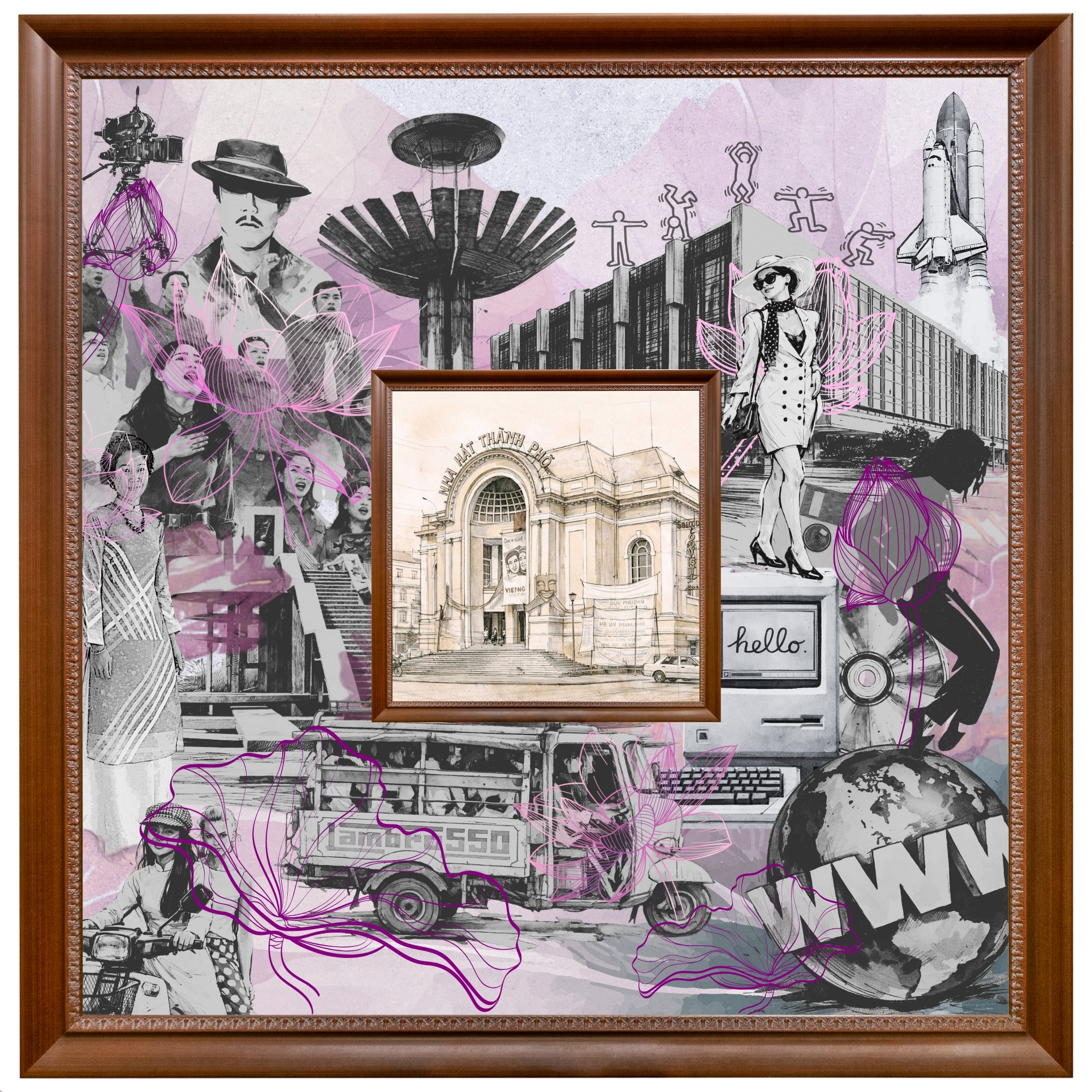
Composition
Non-linear historical collage
Medium
Mixed Media of Digital collage art, architecture sketch and hand-embroidery by the artists from Saigonmuse
Dimension
Wooden frame 68 x 68 cm
Price
USD 850
Edition
10
All proceeds from the sale of this artwork will be dedicated to the Safety Star Program, initiated by GIVE Sustainable in partnership with Survival Skills Vietnam.
The Story
Bloom from the mud – the triumphant restoration
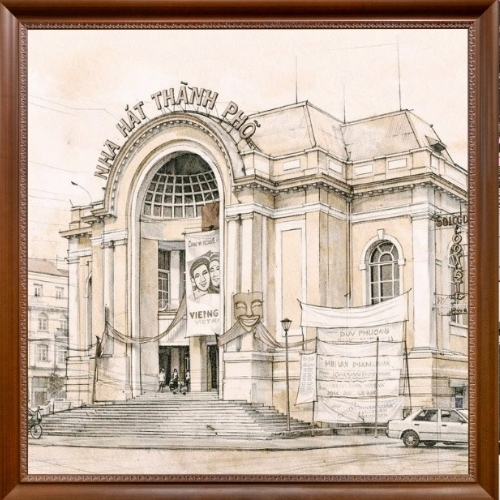
Center Frame
Architecture Sketch of The Saigon Opera House (1980s)
After decades of serving as a political chamber, the Saigon Opera House was the physical heart of the “Đổi Mới – Reforms.” The building was reclaimed for the arts in 1975, eventually leading to the massive 1998 restoration for the 300th anniversary of Saigon. This monumental effort reinstated the flamboyant facade, returning the original statues and “French” elegance that had been stripped away for forty years.
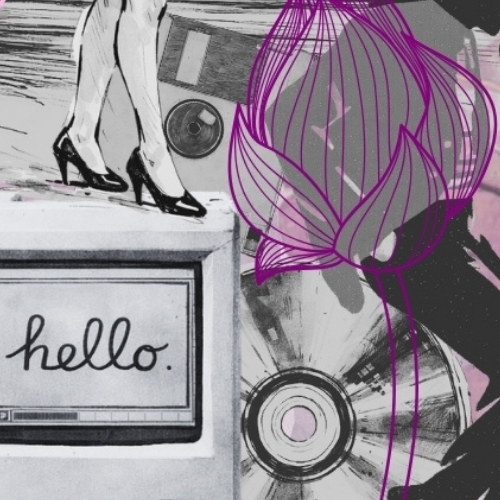
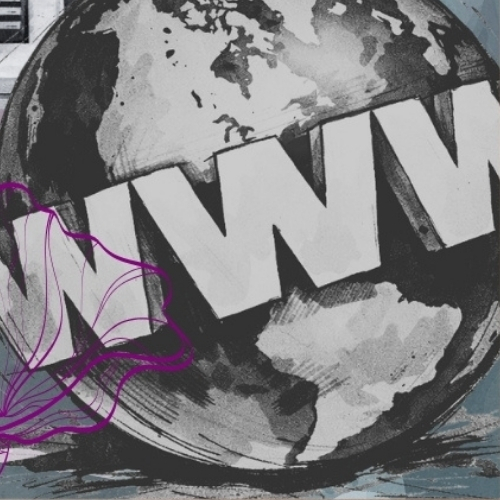
Dawn of Digital Age
Globally, the world was shifting from analog to digital. The arrival of Personal Computers, Floppy Disks, CDs, and the WWW dismantled the barriers of information, making the world feel like a shared screen. In Vietnam, this mirrored the Đổi Mới reforms as it opened Vietnam to the global market, sparking a “cultural spring” where international goods and ideas flowed back into the streets of Saigon.
Modernist Echoes
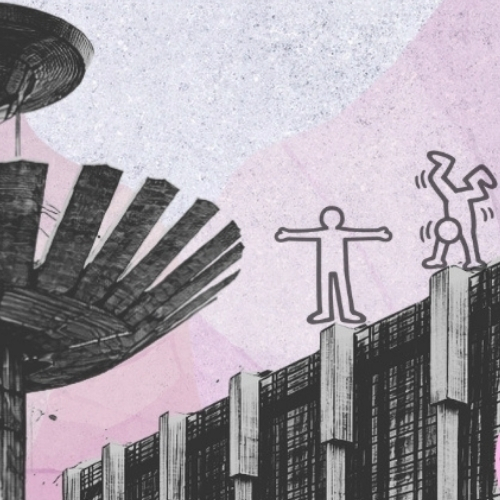
A fascinating architectural dialogue existed between the East and West. While East Germany’s Palace of the Republic stood as a modernist “Palace of the People,” Saigon perfected its own poetic geometry. The Lotus Tower at Turtle Lake (Hồ Con Rùa) became a central gathering point; its concrete petals symbolized the national flower rising from the mud – a perfect architectural metaphor for a city reclaiming its beauty after years of hardship. Globally, Keith Haring was transforming city streets into galleries with his kinetic, dancing figures as a celebration of life, movement, and the breaking of rigid barriers.
The Engines of Progress
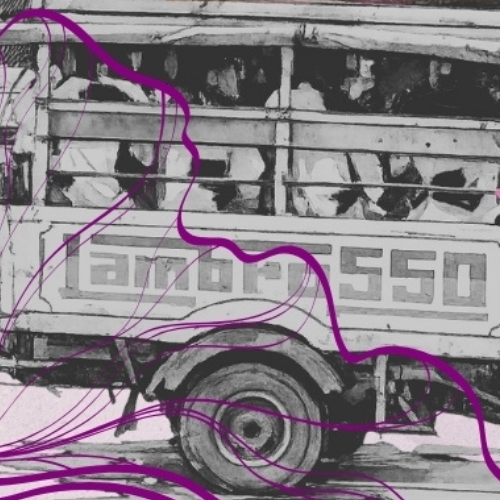
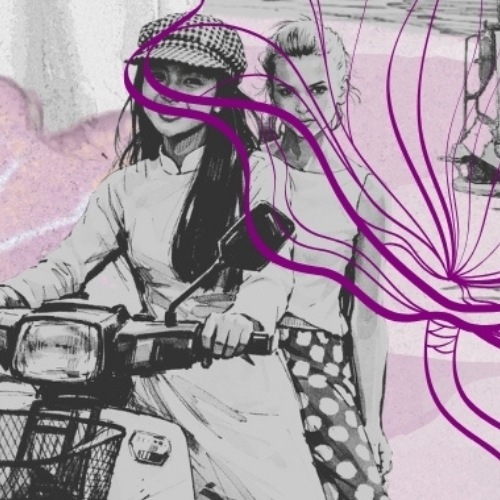
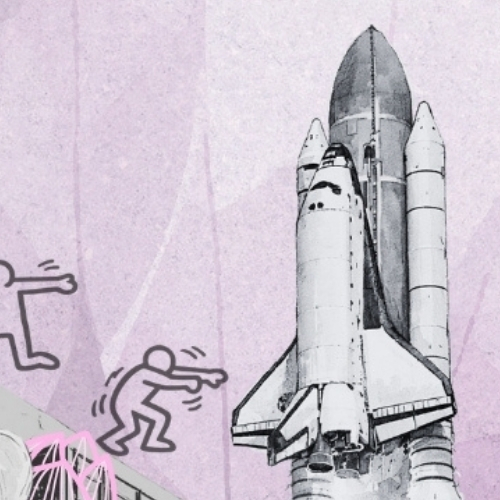
Globally, the Space Shuttle represented the peak of human engineering—a reusable, high-tech marvel designed to conquer the final frontier. Locally, Saigon’s “engines of progress” were far more grounded but equally resourceful. The Lambro 550 became the three-wheeled workhorse of Đổi Mới, often locally customized and repaired by ingenious mechanics to carry the weight of a rebuilding economy. Alongside it, the Honda Dream emerged as the ultimate status symbol of the 1990s. More than just a motorbike, its reliable Japanese engine represented a family’s “dream” of prosperity, serving as a durable, mobile asset that navigated the newly paved boulevards of a city opening its doors to the world.
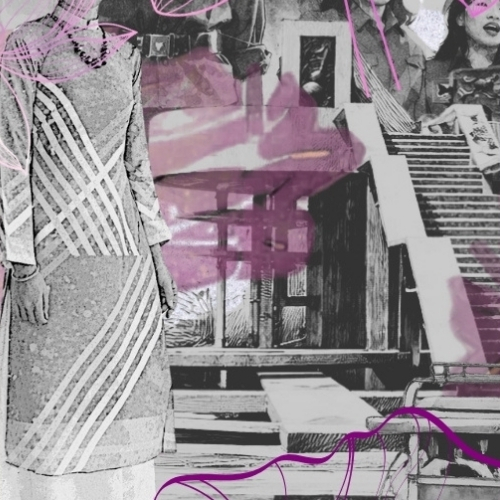
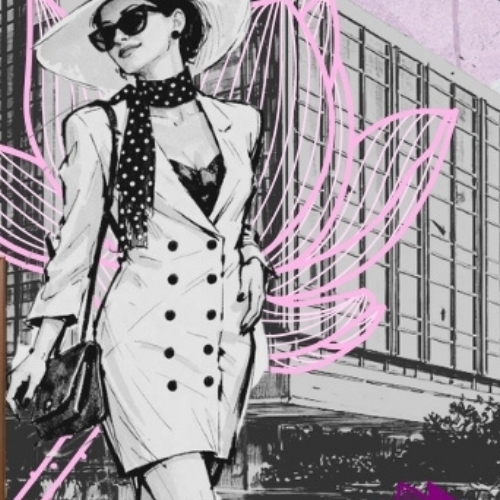
The Empowered Women
Fashion in the 80s and 90s was heavily influenced by the silver screen. The “Power Suit” empowered women, through the influence of Hong Kong actresses like Anita Mui. The Modernized Mini Áo Dài became the choice for the new urban professional—colorful, bold, and shorter than the traditional gown, it was a garment designed for a woman who was no longer just a domestic figure but a participant in the global economy.
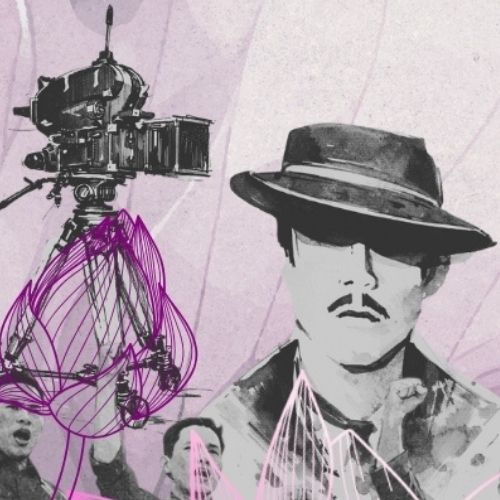
The Cinematic Age
Cinema became the most powerful art form of the era. The global “cool” of Hong Kong movies influenced the visual language of the region, but Vietnam found its own voice in the legendary series Ván Bài Lật Ngửa. Starring the charismatic Chánh Tín, the film brought a level of cinematic craft and intellectual depth that proved Vietnamese art could be as sophisticated and compelling as its international rivals.
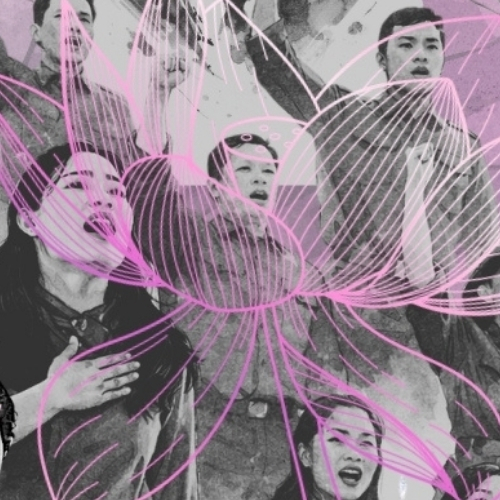
The Sonic Friction
Globally, Michael Jackson’s electric “Moonwalk” and solo superstardom introduced the era of hyper-individualism, where the singular artist became a world-shaking icon. Locally, this clashed with the Collective Voice of grand Communist choral performances held at the Saigon Opera House. These synchronized spectacles, such as the celebratory “Giai điệu mùa xuân,” prioritized national unity and the power of the group over the solo star. Together, they formed the bittersweet soundtrack of a generation navigating the leap from the rigid, disciplined past to a vibrant, individualistic “pop” future.
The Thread of Memoir
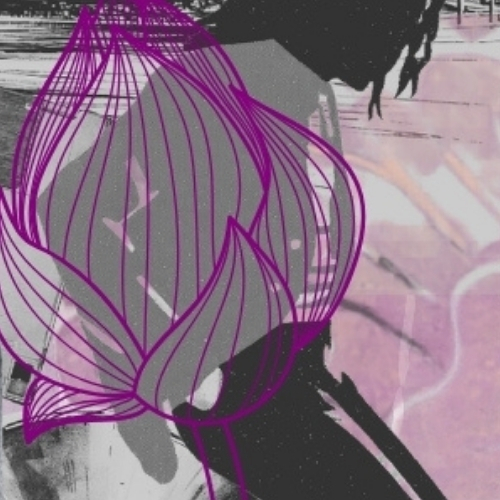
In this artwork, the violet-hued lotus embroidery follows the flowing outlines of the lotus petals. It acts as a “thread of memoir,” stitching the building’s regained elegance and the national flower’s symbolism into the city’s resilient, post-reform spirit.
Other artworks from this collection are displayed at Sheraton Saigon Grand Opera Hotel
A transient era of temporary theater and French military music amidst early colonial expansion.
The permanent “French Imprint” era, marked by the 1900 opening of the current Saigon Opera House.
III. The Crescendo (1920-1945)
A golden age of cultural fusion between global Jazz and local Cải Lương.
A political metamorphosis where the theater was stripped of ornament to serve as the National Assembly.
V. The Reprise (1975-1998)
The reclamation of the arts, culminating in the 1998 restoration of the building’s original aesthetic.
A living bridge, hosting both world-class orchestral symphonies and the high-energy phenomenon of idol culture, reflecting a city with a dual heart for timeless tradition and contemporary pop.